
Category: Blogs
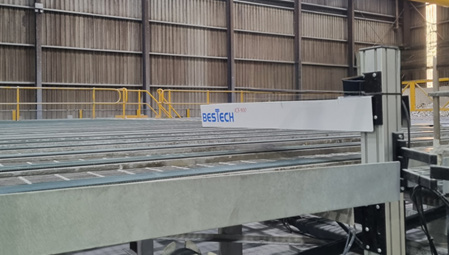
How do you measure sheet thickness on a moving production line without touching the board?
Manufacturing process of flat sheet products such as plasterboard involves operations over long forming line that move at a set

How a draw wire sensor measures hydraulic cylinder position on mobile equipment
A hydraulic drill rig, a crane or a mobile lifting machine needs to know where its cylinder rod is during
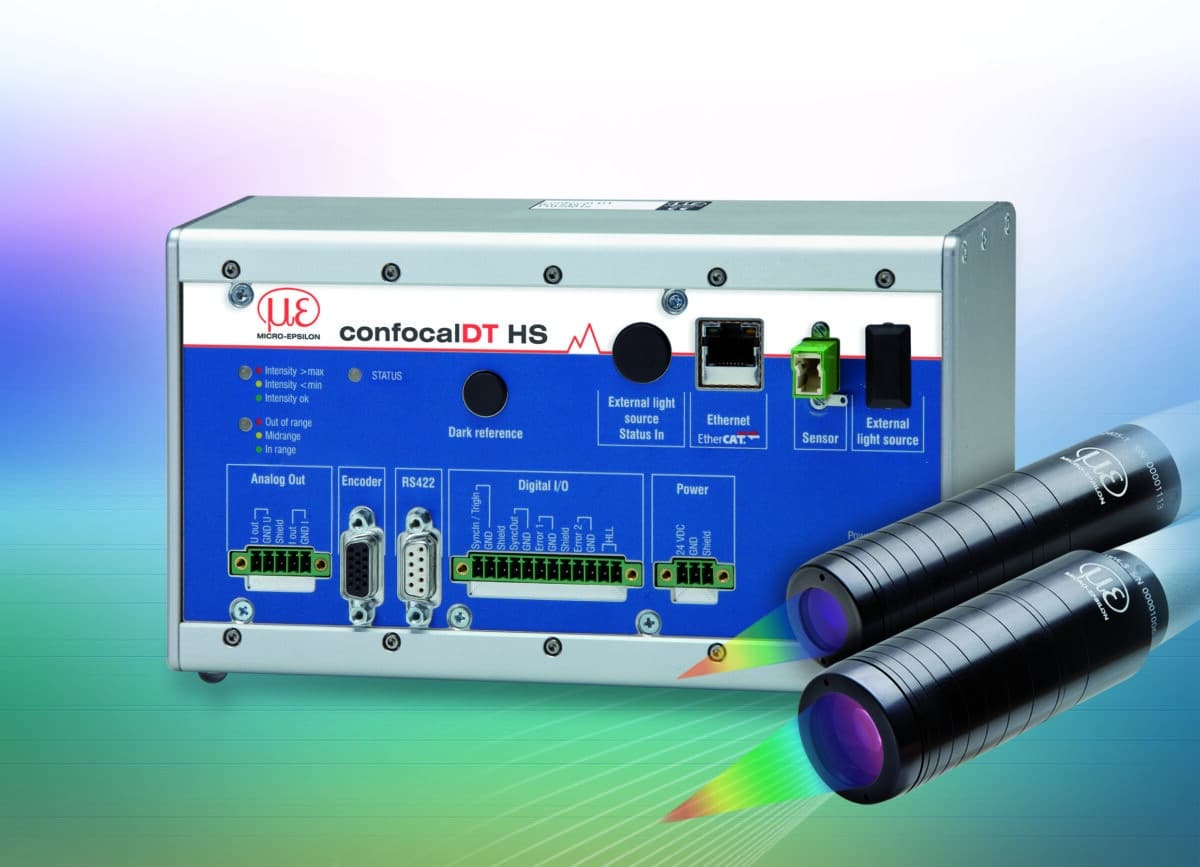
Why a laser displacement sensor catches strip thickness drift before it winds into the coil
A finished coil of aluminium or steel strip hides any defects that may have come from the rolling line during
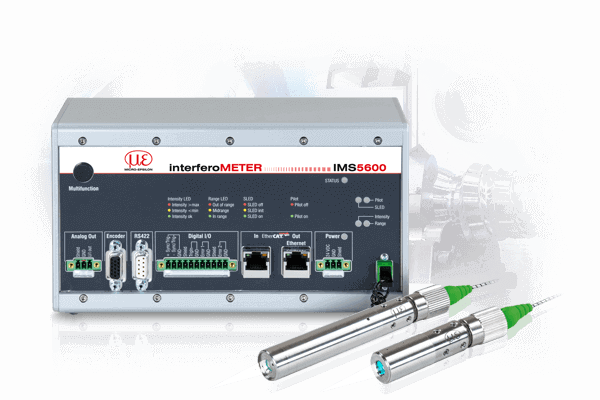
How an eddy current displacement sensor catches drift on a stamping press before parts go out of tolerance
A progressive die that stamps good panels at the start of a shift can drift, and visual inspection can miss
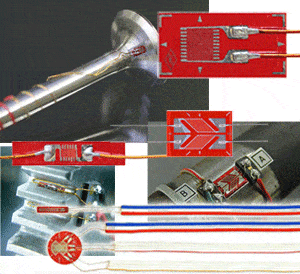
What is a strain gauge and how does it measure strain?
A strain gauge is a sensor that measures how much a material deforms under load by converting that deformation into

How field accelerometer calibration protects your vibration test data
Accelerometer calibration is the only way to confirm that a vibration sensor’s sensitivity is still what its datasheet says it
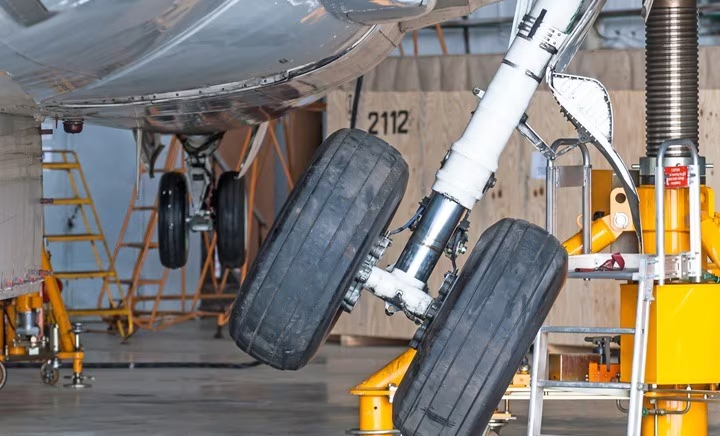
Understanding Strain Gauges in Aerospace Testing
In aerospace engineering, precision and reliability are non-negotiable. From aircraft wings to rocket components, every structure must withstand extreme conditions.
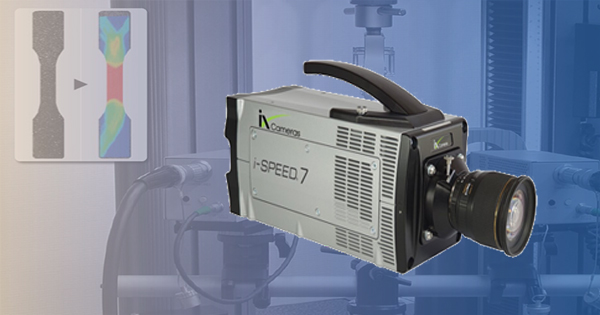
Revealing Material Behaviour with High-Speed Imaging: Applications in Material Testing
High-speed cameras are specialized imaging devices designed to capture events that occur too quickly for the human eye or conventional
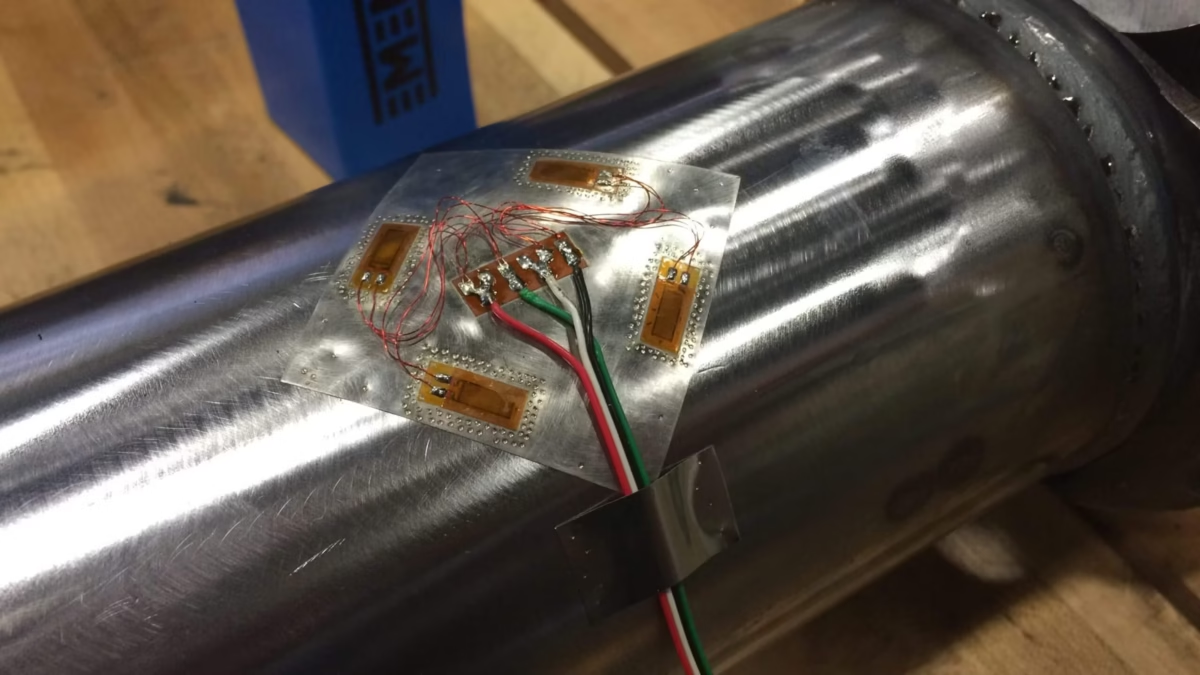
Applications of Using Different Strain Gauges Types
Strain gauges are essential tools in modern engineering, enabling precise measurement of strain, how much a material deforms under stress.
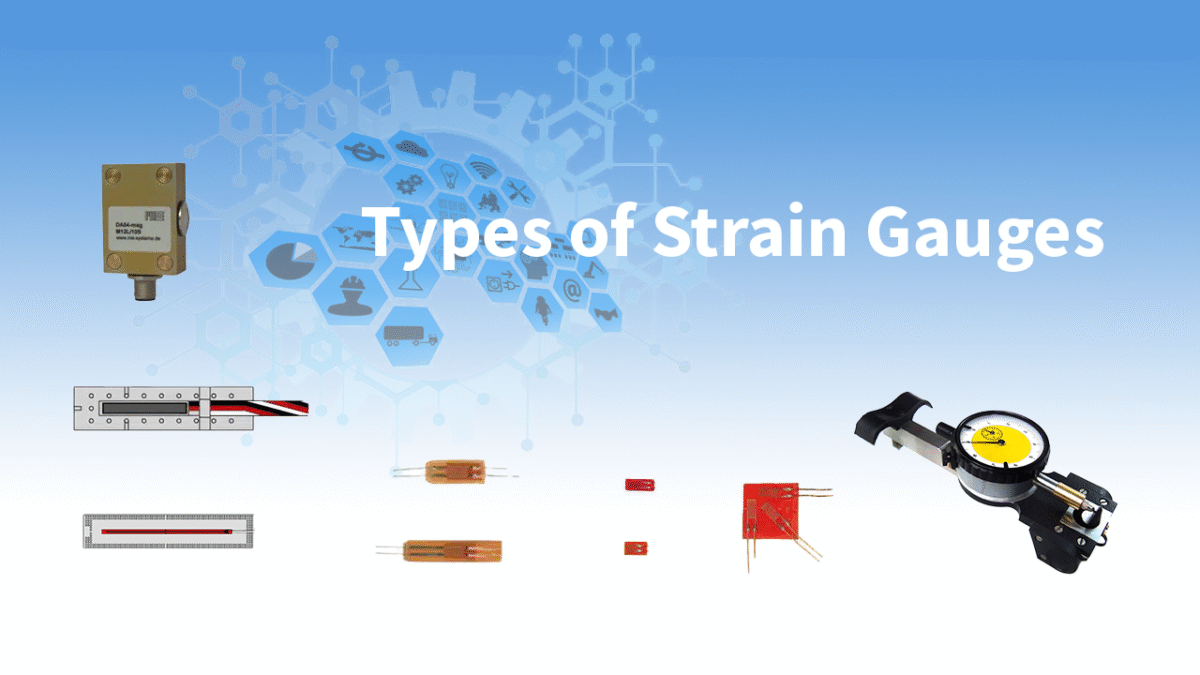
Understanding Different Types of Strain Gauges: Key Features and How to Choose
Strain gauge is an indispensable tool in engineering and material science, used to measure the deformation of materials under stress.
