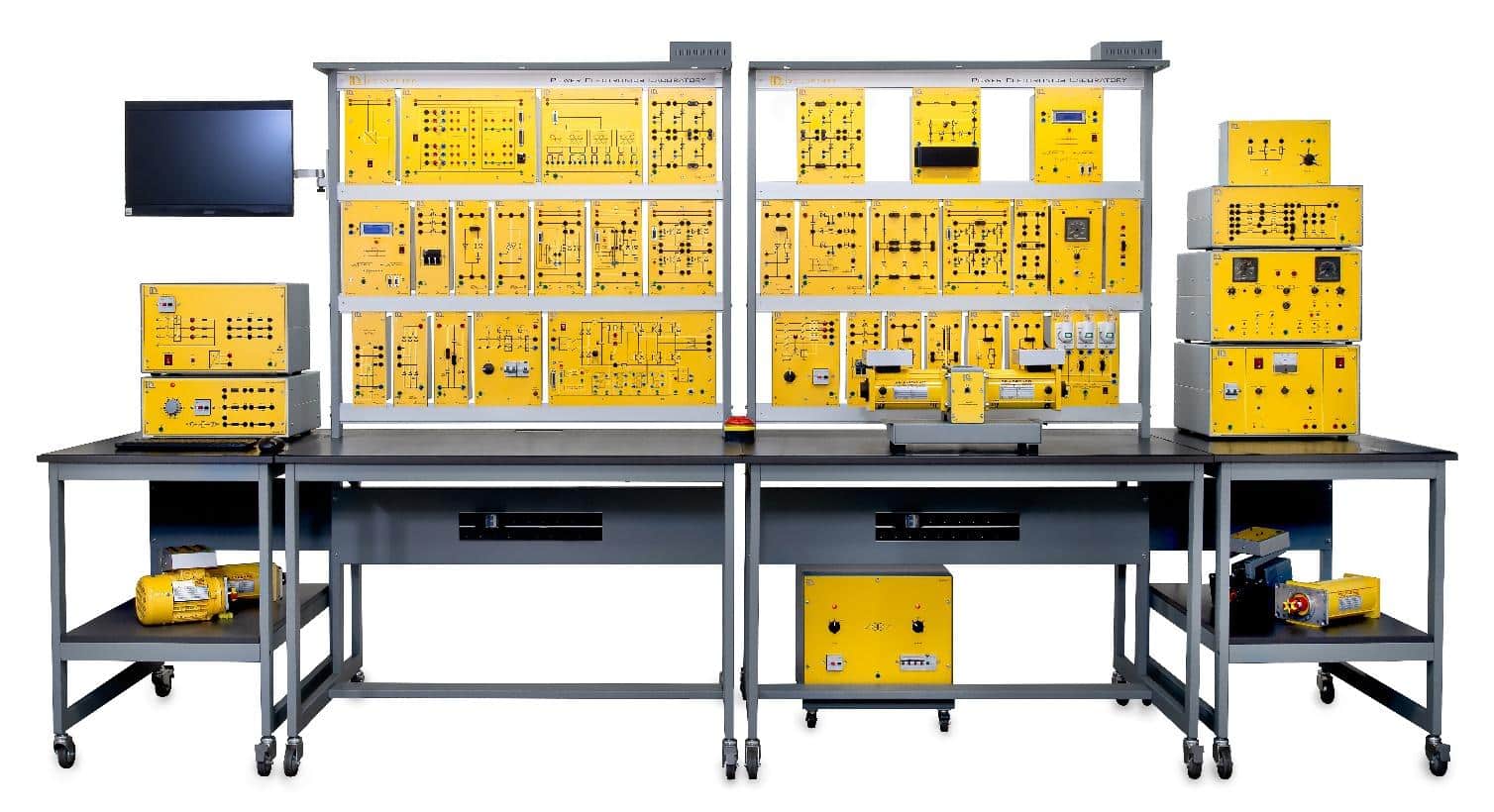
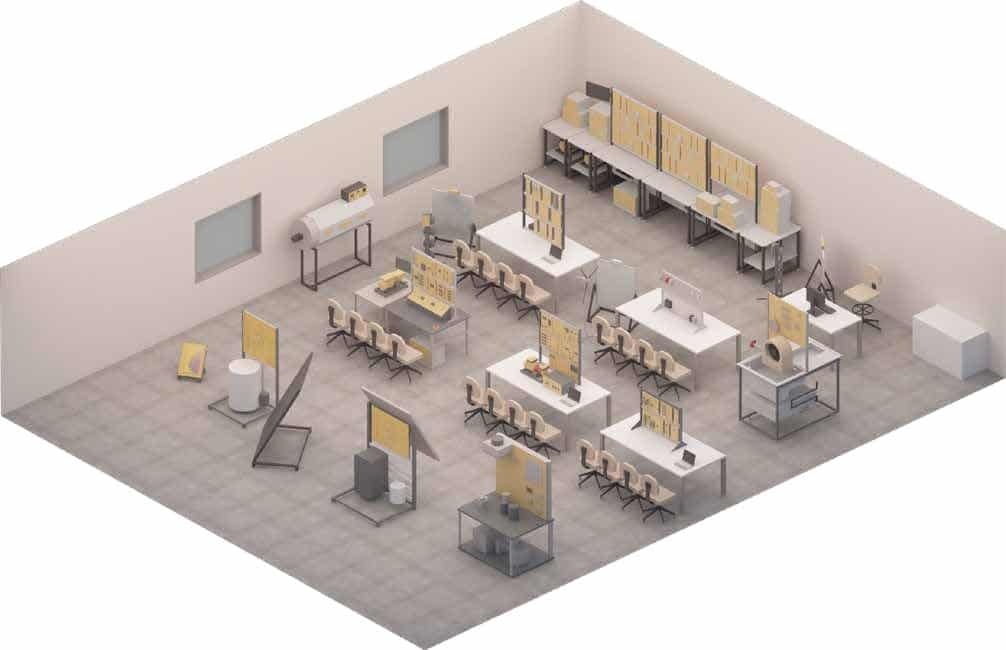
The DL PELTOT is a power electronics laboratory from De Lorenzo for teaching power converters and electric drives. It is an FPGA-based training system that covers five study areas: AC-DC conversion, AC-AC conversion, DC-DC conversion, DC-AC conversion and motor drives. Students work with real diodes, SCRs, TRIACs, MOSFETs and IGBTs. The course therefore starts with the power semiconductors, moves on to the converters built from them, and finishes with complete motor drive systems.
This power electronics training equipment for electrical engineering courses suits undergraduate and graduate study. A reprogrammable control and data acquisition module with an NI Linux Real-Time processor generates the switching signals and records the results. It has six pairs of isolated voltage and current inputs and can measure up to nine signals at once. Compared with an oscilloscope setup, this removes the need for shunt resistors, current probes and differential high-voltage probes. A LabVIEW interface guides each experiment with wiring diagrams and instructions, and shows the waveforms on a multichannel virtual oscilloscope with maths functions and data export. The control module connects to the switching devices through D-sub connectors, which cuts cable clutter and wiring mistakes.
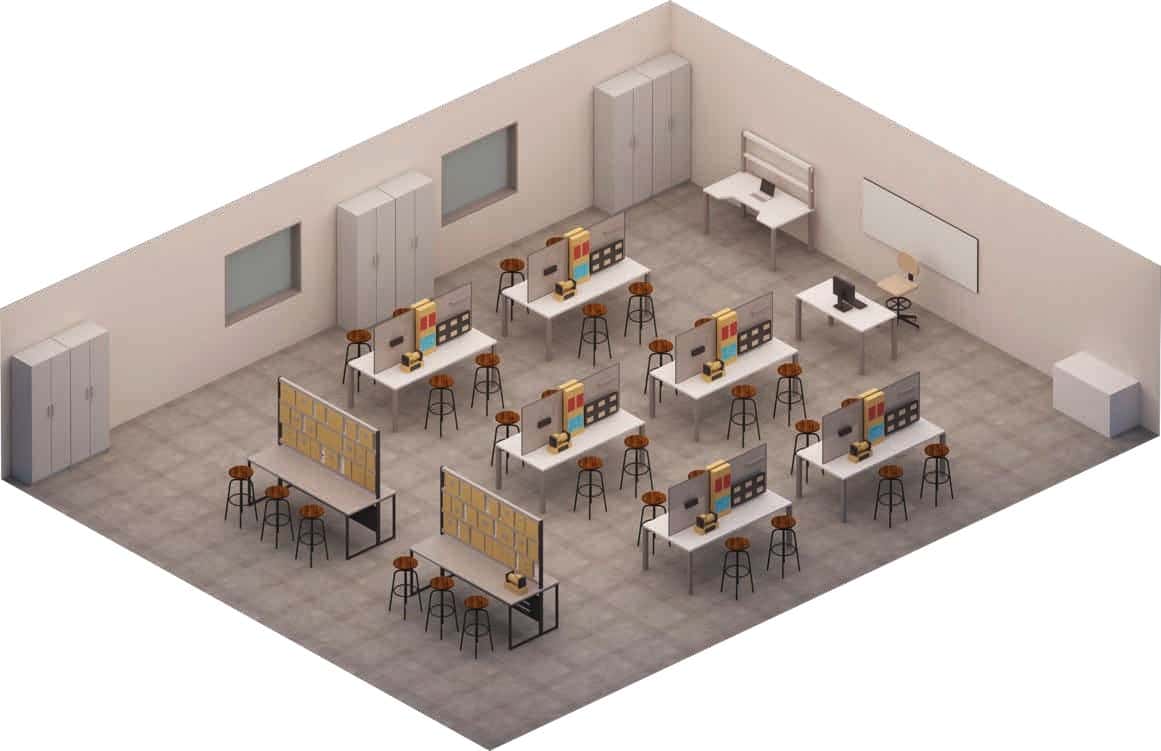
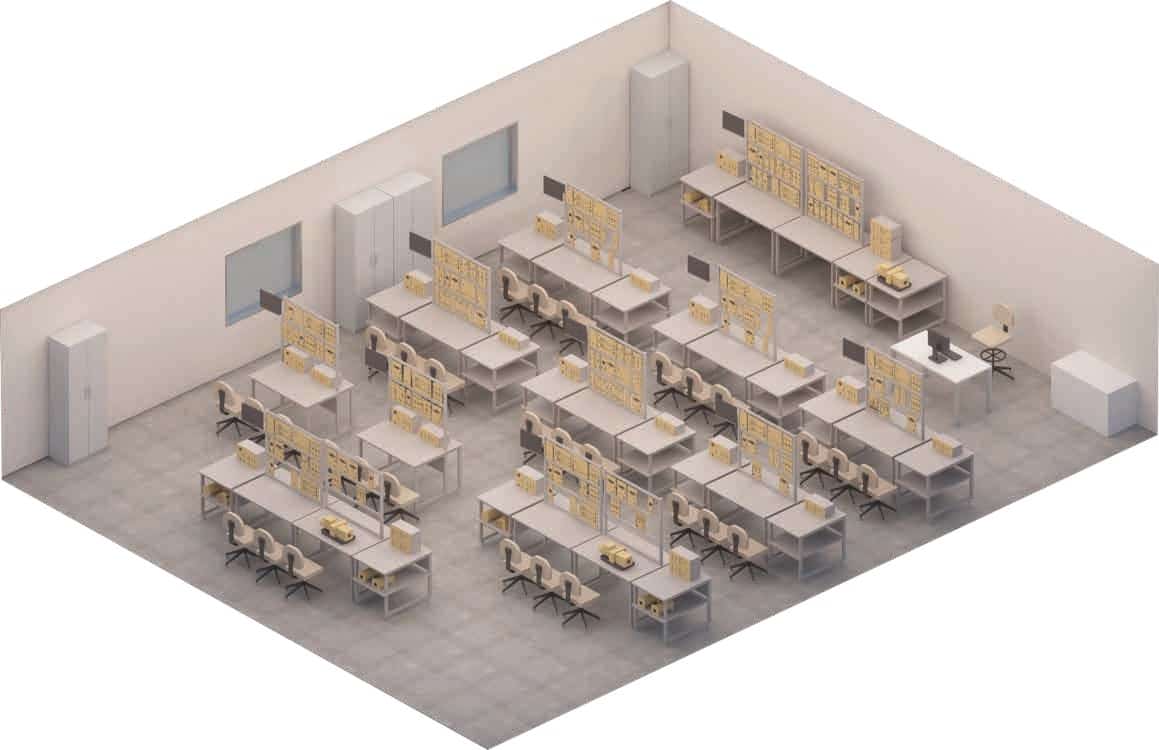
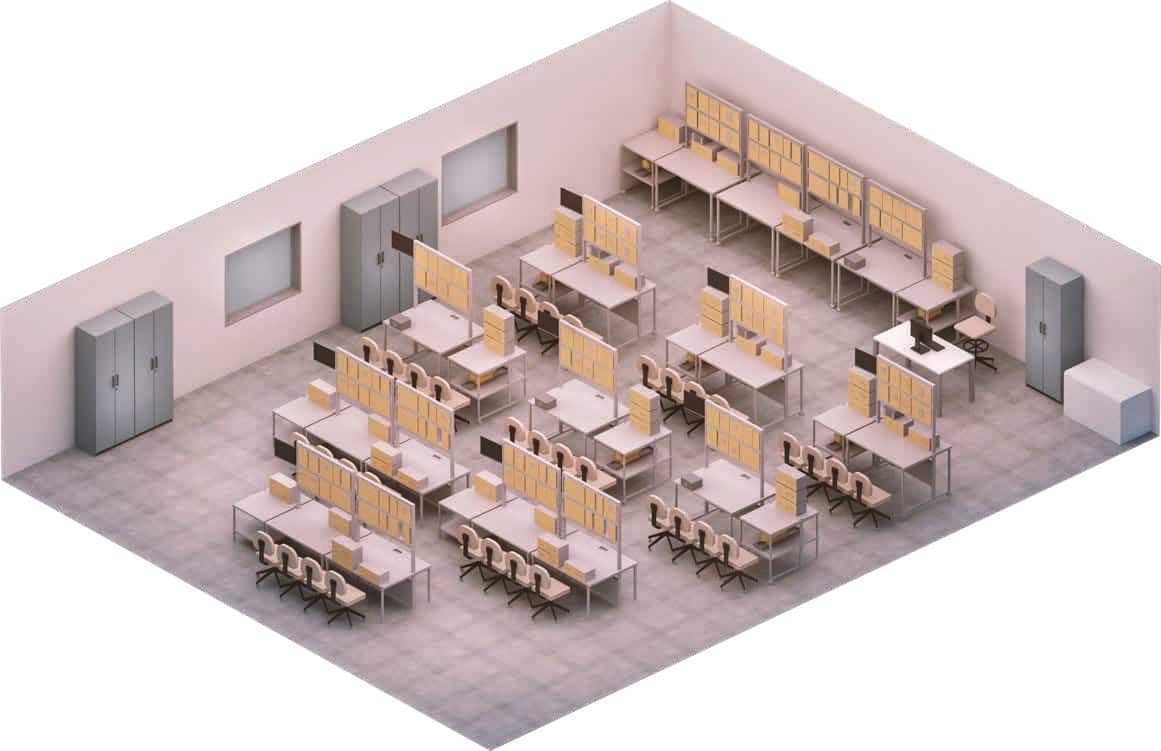
The motor drive section covers DC, slip-ring and squirrel cage machines, and a brushless servo drive applies the load. The laboratory is designed following the CE directives for power devices, CEI EN 61010-1, CEI EN 61439-1 and CEI EN 60335-1. Each configuration suits four students working at the same time. Bestech Australia supplies the DL PELTOT with on-site training and commissioning support available.
Applications and Case Studies
- AC-AC conversion: control of temperature, lighting and induction motors
- DC-DC conversion: DC power supplies and DC motor drives
- DC-AC conversion: AC motor drives and AC uninterruptible power supplies
- Motor drives: speed control of DC, slip-ring and squirrel cage motors
Key Features
- Study areas: AC-DC, AC-AC, DC-DC and DC-AC conversion, and motor drives
- Power devices: diodes, SCR, TRIAC, MOSFET and IGBT
- Control and acquisition: FPGA-based module, NI Linux Real-Time processor, LabVIEW software
- Measurement: 6 pairs of isolated voltage and current inputs, up to 9 signals at once
- Class size: 4 students per configuration
Enquire Now