
Category: Blogs
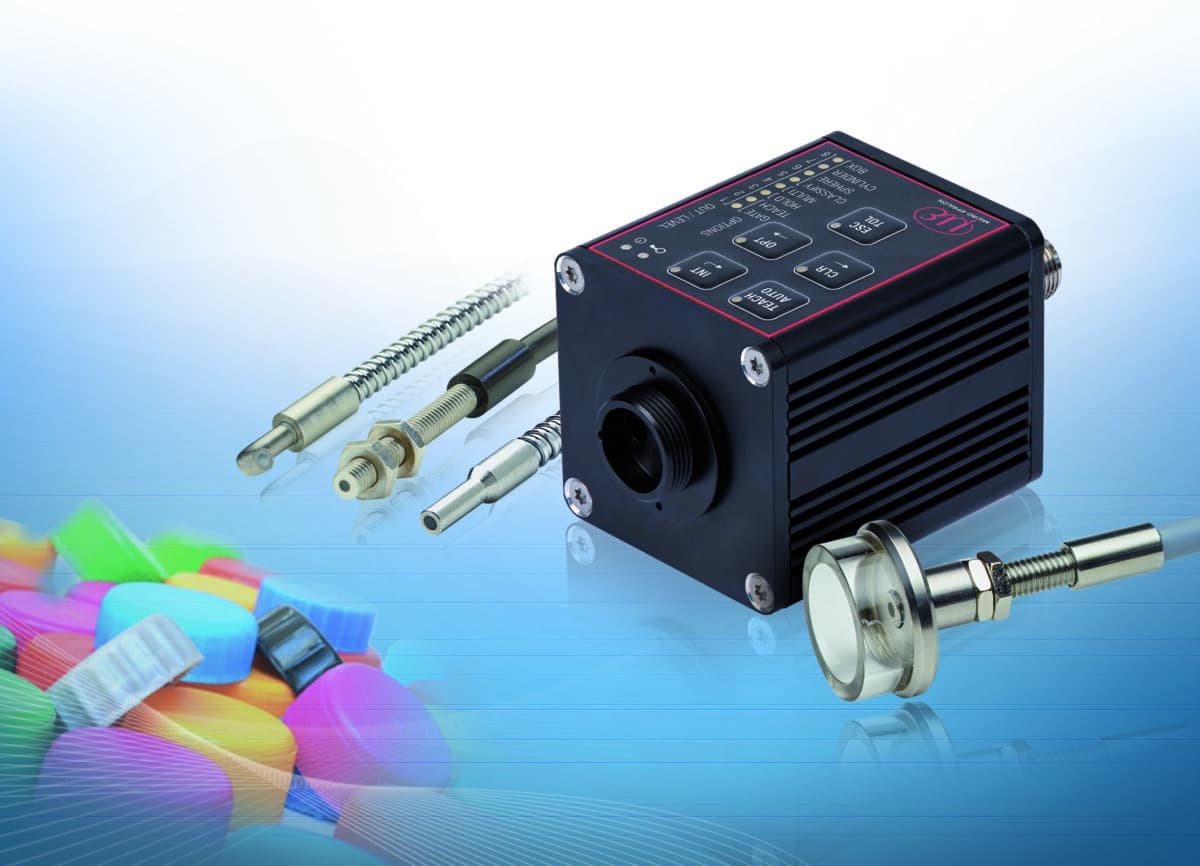
Understanding Colour Sensors: Working Principle and Applications
Colour, one of the most influential attributes of light, has a distinctive importance in various industries and scientific applications. The
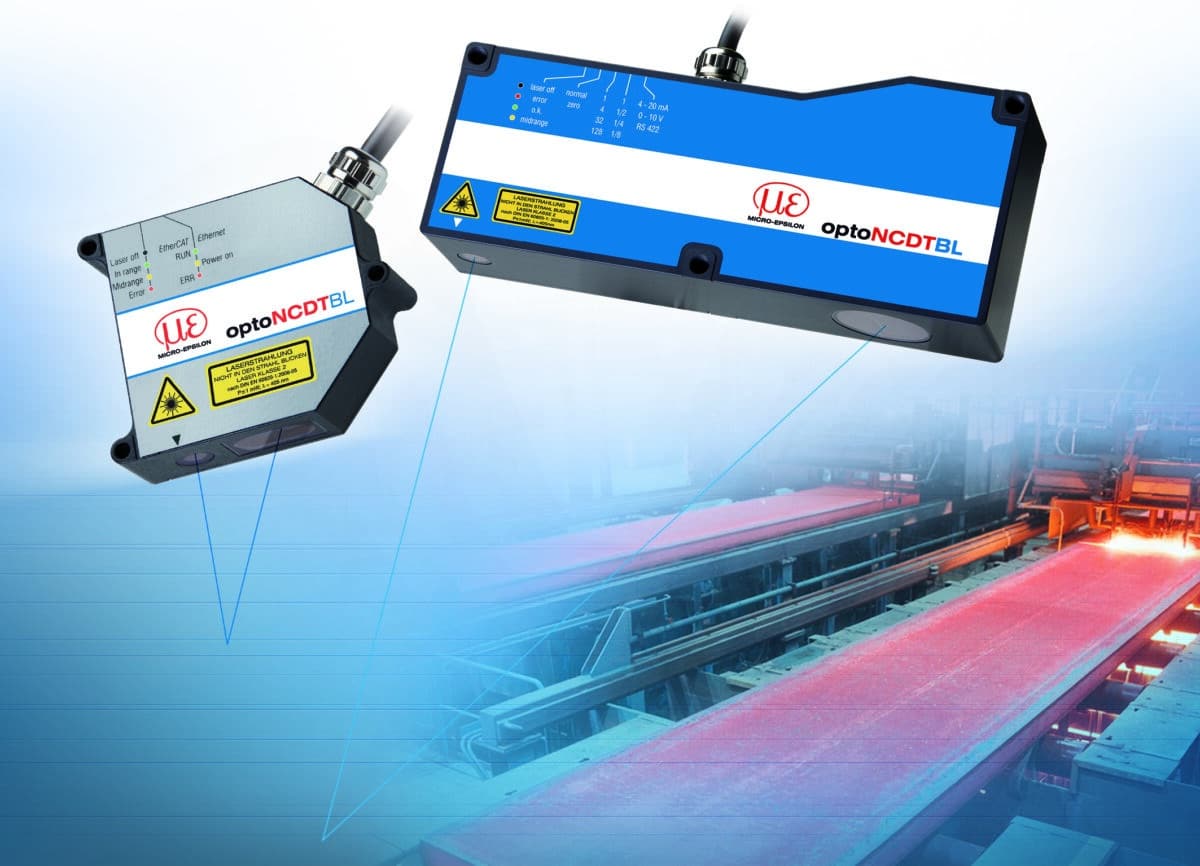
3 Reasons To Use Blue Over Red Lasers in Displacement Measurement
Laser triangulation sensors are one of the most sought-after non-contact sensor technology for measuring position, distance, level, displacement, proximity and

Different Types of Accelerometers and Working Principle
Accelerometers are electromechanical devices used to measure acceleration forces acting on a body which can be static or dynamic. An

Seal Integrity, Packaging Testing Systems for consumer products
Consumer products manufacturers put the utmost priority on ensuring the seal integrity of their product package. Food products such as
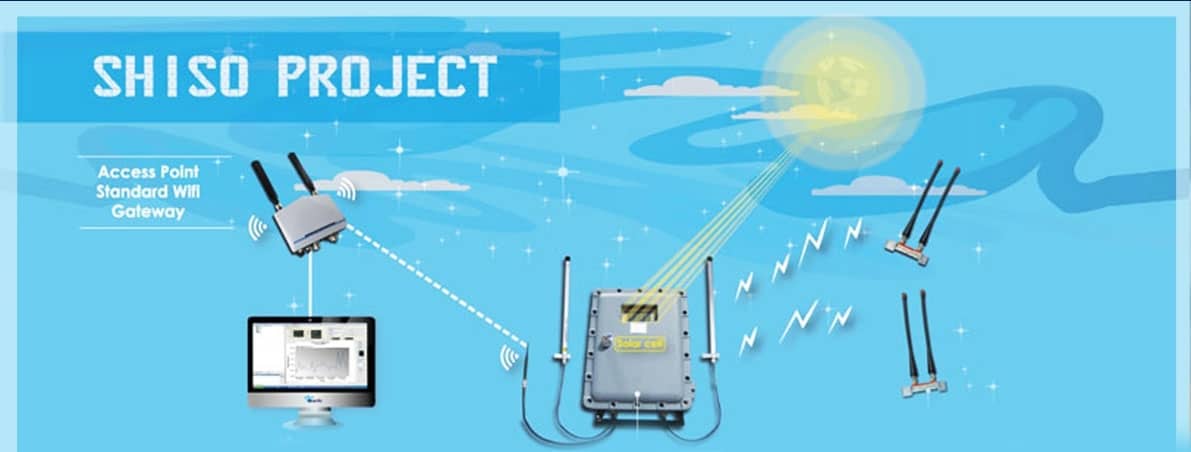
Wireless sensors for structural health monitoring in marine oil and gas
Oil & gas platforms are vulnerable to damage as they are continually exposed to extreme weather conditions and damaging forces.
Railway condition monitoring with 2D laser profile scanner
Railway tracks are subjected to wear and tear due to their continuous exposure to weather and strenuous operation. Railways are

How to mount accelerometers for reliable vibration measurements
Modern-day accelerometers are designed in different ways to suit every vibration measurement requirement in a wide range of industries. Choosing
An Overview of MEMS Variable Capacitance Accelerometers
MEMS Accelerometers are manufactured using microelectronics fabrication techniques. MEMS-based accelerometers measure physical parameters
Overview of Piezoelectric Accelerometer
Piezoelectric accelerometer utilizes the phenomenon of Piezoelectricity in measuring vibration and acceleration of an object or a structure. The Principle
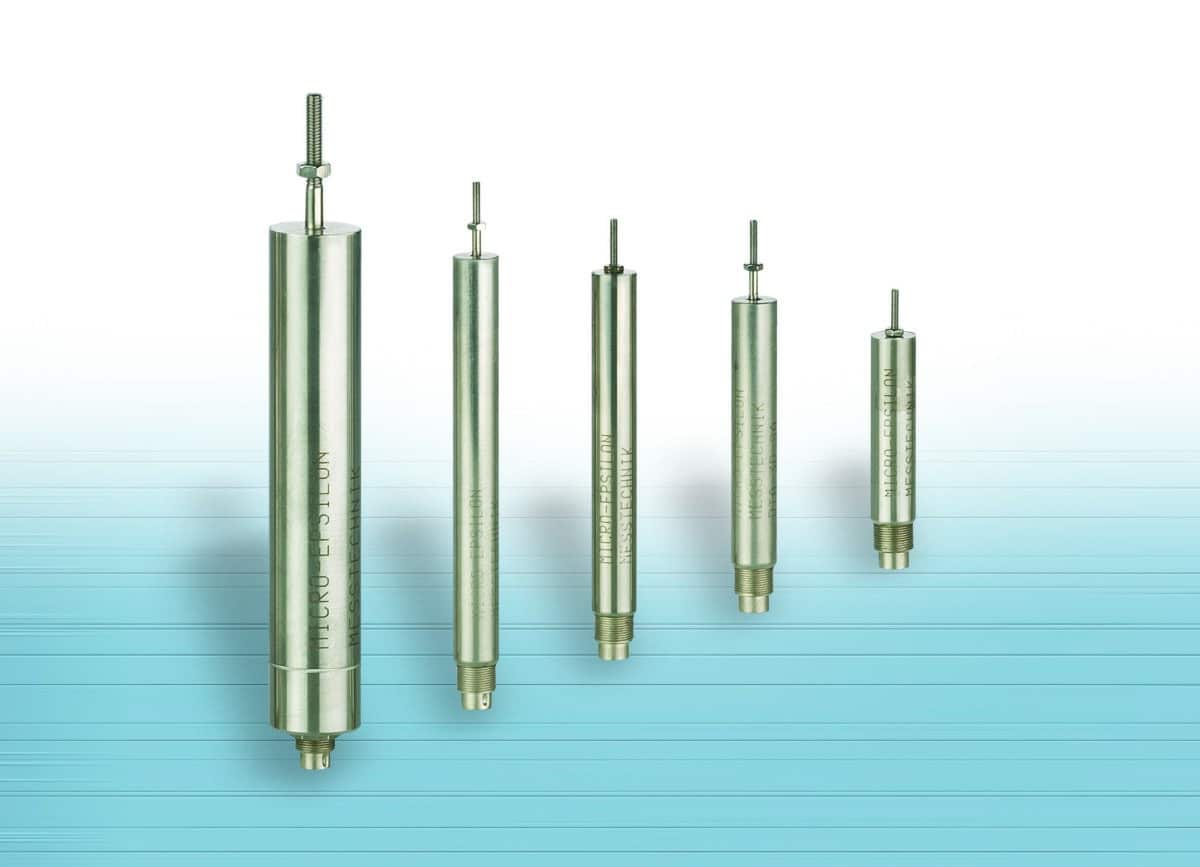
Advantages of AC LVDT over DC LVDT
LVDT sensor has two components in its design; a fixed housing and a separate moveable core. The core assembly consisted
