
The challenge
In a Central European country, days of steady rain arrive whenever a slow-moving low pressure system drifts north from the Mediterranean and stalls against the mountains. The river catchments fill, and so do the sewers beneath the towns along them. In 2010, one catchment recorded its second-worst flood since the end of the 1940s. In May 2017, up to 180 mm of rain fell in the same catchment in five days, and the river reached a flow of 2,100 cubic metres per second, the second-highest since weather services began recording. For the people living there, the first sign of a sewer under strain is wastewater rising in the basement.
The point in the network where that is decided is the lift station. A sewer runs on gravity, so wastewater flows downhill until the pipe can fall no further. There a lift station collects it in a wet well and pumps it up into a higher pipe, known as a backflow loop, from where it continues downhill to the next section. Pumping to a level above the downstream manholes is what stops the wastewater being pushed back into buildings when the network is full. The level in the wet well starts and stops those pumps, which makes the level sensor the component the whole station depends on. While expanding and upgrading their lift stations, the end users needed a level sensor that would survive raw sewage, which fouls, abrades and chemically attacks a conventional steel membrane, and that would connect to their pump control systems.
The approach
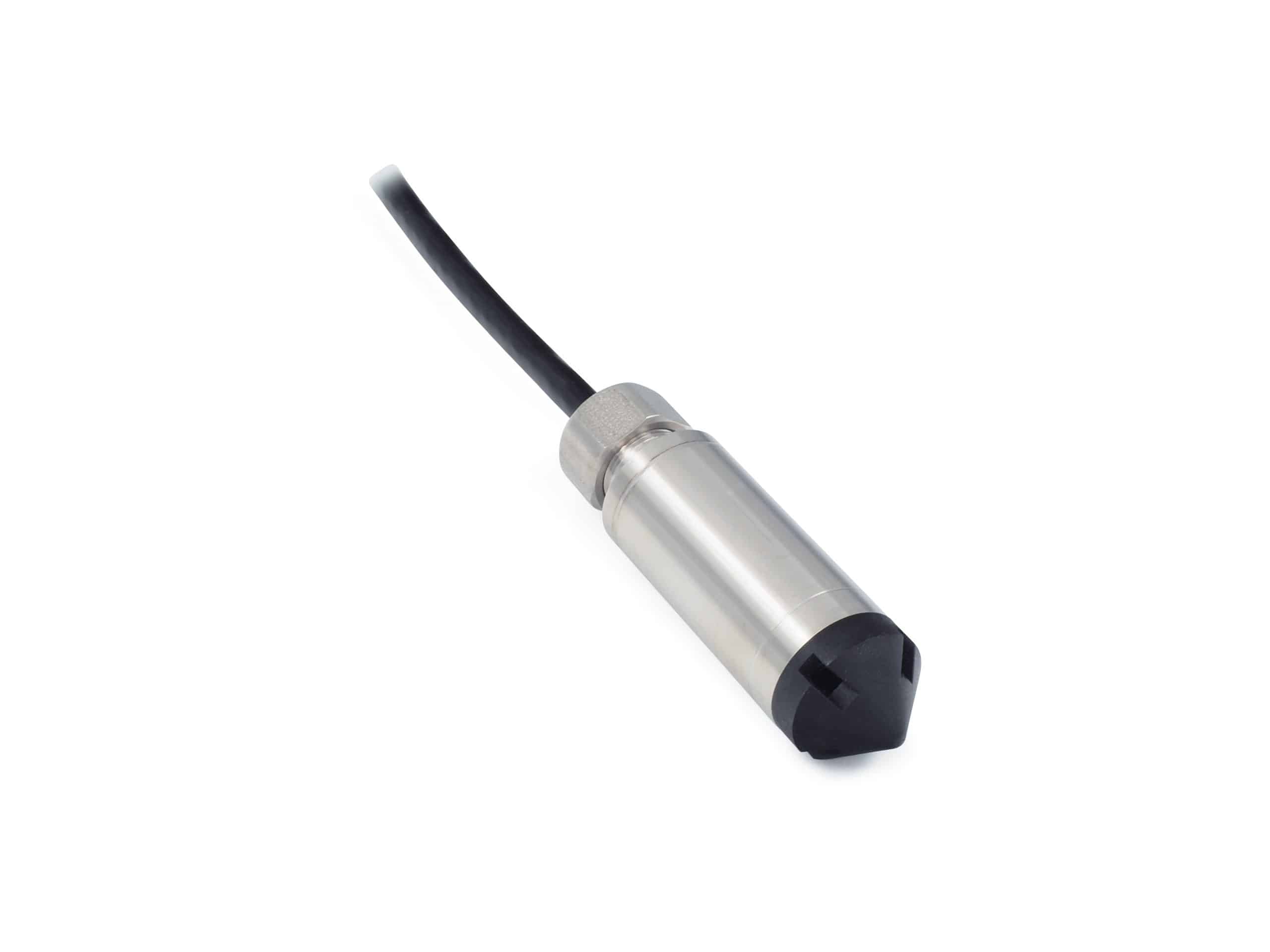
The end users fitted a submersible pressure transmitter as the main level sensor in each new or upgraded lift station. The transmitter hangs in the wet well and measures the hydrostatic pressure of the wastewater above it, which the control system converts to a level. Float switches are fitted alongside as a secondary control element, giving the pumps an independent signal.
The engineers scale the transmitter’s 4 to 20 mA output to the depth of each wet well, so the same transmitter suits stations of different sizes without a change of hardware. Where the station is networked, the transmitter joins a Modbus communication network and reports its level over the network. A separate analogue loop is then not needed.
Equipment
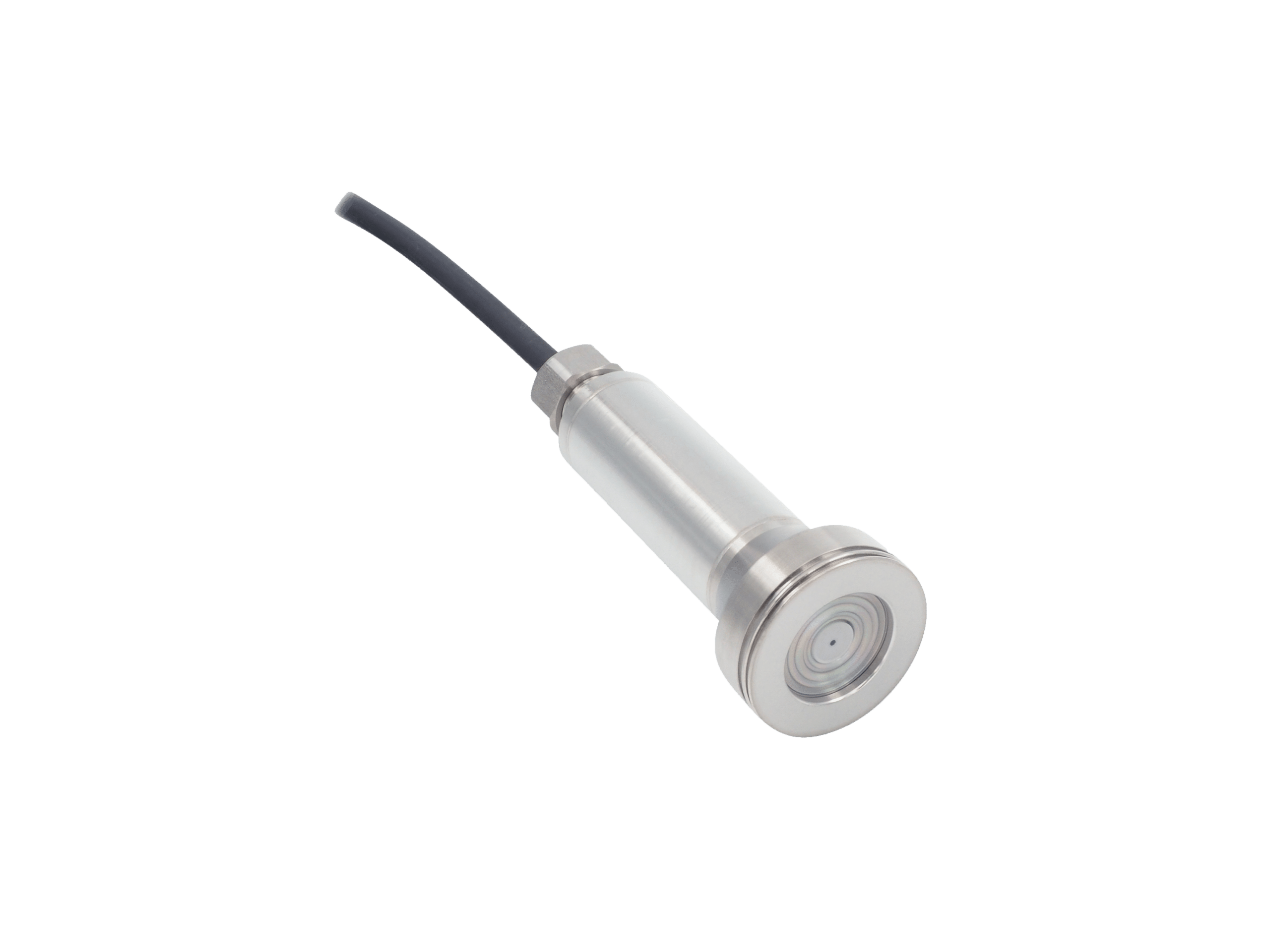
The pressure transmitter used in this case is the KELLER Series 46X, which has a chemically resistant aluminium oxide ceramic membrane with a gold layer. This membrane is also more resistant to mechanical damage than a steel membrane. The digital electronics allow free scaling of the 4 to 20 mA output and integration into a Modbus network.
Results
- More than 5,000 transmitters installed in sewage applications since 2007, mostly in newly built or upgraded lift stations.
- Wastewater is pumped above the level of the downstream manholes, so it is not pushed back into buildings during heavy rainfall.
- The pumps run from the level transmitter with float switches as an independent backup.
- One transmitter type serves wet wells of different depths, with the 4 to 20 mA output scaled to each station.
Level sensors for sewer lift stations
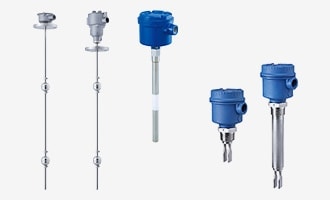
Lift stations in Australian networks pump against the same kind of rainfall. Bestech supplies the level sensors and switches this kind of station relies on.
Compare all submersible level transmitters
Size a level transmitter for your wet well
Send us three details. Our engineers will recommend a sensor and prepare a quote.
Wet well depth
Depth from the transmitter to the top level
Cable length
Run from the wet well to the control panel
Output
4 to 20 mA, Modbus RS485 or both
Or call 03 9540 5100 or email enquiry@bestech.com.au
